

Walking into your Westover Hills home after a hot San Antonio day should feel refreshing. But instead you’re greeted by that heavy sticky feeling even though your AC is running full blast. You’re not imagining things. That clammy sensation means your air conditioner isn’t removing humidity the way it should.. Read more about Why Your Castle Hills AC Smells Like Dirty Socks (And How to Clean the System Permanently).
San Antonio’s Gulf Coast humidity combined with Westover Hills’ newer construction creates a perfect storm for indoor comfort problems. Your AC might be cooling just fine but if it’s not dehumidifying properly you’ll feel like you’re living in a steam room. The good news is this is a fixable problem and we’ll show you exactly what’s happening and how to solve it.
Before we dive into solutions let’s understand why this happens in Westover Hills specifically. The neighborhood sits in a low-lying area near the Medina River where morning humidity often exceeds 80%. Your home’s tight construction keeps that moisture trapped inside while your AC cycles on and off too quickly to remove it all.. Read more about Preventing Mold Growth Inside Your Olmos Park HVAC System with UV Light Technology.
Understanding the Relationship Between Temperature and Humidity in South Texas
Your air conditioner does two jobs: cools the air and removes moisture. When warm humid air passes over the cold evaporator coils water vapor condenses into liquid just like water droplets form on a cold glass. This process only works when your AC runs long enough to pull that moisture out.
In Westover Hills most homes built in the last 15 years have high-efficiency AC units. These systems cool so quickly they often shut off before removing enough humidity. This short cycling is especially common in newer neighborhoods where builders sometimes oversize units to ensure cooling during extreme heat.. Read more about Why Even the Best AC Units Fail to Cool Windcrest Homes Without Proper Attic Insulation.
The science gets trickier because San Antonio’s dew point often stays above 70°F during summer months. That means the air holds so much moisture your AC must work overtime just to make you feel comfortable. When your thermostat hits the set temperature the system shuts off leaving that sticky feeling behind.
5 Common Reasons Your AC Isn’t Removing Humidity
Understanding why your AC fails at dehumidification helps you target the right solution. Here are the five most common problems we see in Westover Hills homes.. Read more about Making Sure Your New AC is Actually the Right Size for Your Somerset Home Layout.
1. Oversized AC Units Short Cycling
When your AC is too large for your home it cools the air so fast the thermostat satisfies within 10-15 minutes. The system shuts off before enough air passes over the coils to condense moisture. This creates that classic pattern: cold but clammy air.
In Westover Hills many homes have 3-4 ton units when Manual J calculations show they actually need 2.5 tons. The extra capacity might handle 105°F days but it destroys humidity control on normal 95°F days.
2. Dirty Evaporator Coils Reducing Efficiency
Over time dust and grime build up on evaporator coils creating an insulating layer. This forces your system to run longer but also reduces its ability to pull moisture from the air. You might notice your AC runs constantly but the air still feels damp.. Read more about Why Your Lavaca Pier and Beam Home Feels Damp Compared to Modern Slabs.
Westover Hills’ proximity to the Medina River means more airborne particulates settle on your coils. Homes near construction areas or with pets often need coil cleaning twice yearly instead of annually.
3. Incorrect Fan Settings Causing Humidity Problems
Your thermostat has a fan setting: Auto or On. When set to On the blower runs continuously even when the compressor isn’t cooling. This re-evaporates moisture from the coils back into your home creating that sticky feeling.
Many Westover Hills homeowners accidentally leave their fan on Auto/On thinking it improves air circulation. But in our humid climate this setting actually makes humidity worse by not allowing proper dehumidification cycles.
4. Frozen Coils or Low Refrigerant Issues
When refrigerant levels drop or airflow becomes restricted evaporator coils can freeze. A frozen coil can’t remove moisture effectively. You might notice ice buildup on the copper lines or water pooling around your indoor unit.
Low refrigerant also means your system can’t achieve the temperature differential needed for proper dehumidification. The EPA mandates specific refrigerant charge levels under Section 608 of the Clean Air Act and improper charging directly impacts humidity control. EPA Section 608 Clean Air Act requirements.
5. Aging System or Ductwork Leaks
Ductwork leaks in your attic allow hot humid air to mix with conditioned air. In Westover Hills’ 130-140°F attics this infiltration can add gallons of moisture daily to your home. You might feel uneven cooling with some rooms always feeling more humid than others. Uneven Heating or Cooling.
Older systems lose their ability to remove moisture even if they still cool effectively. The compressor efficiency drops and the temperature split across the coils narrows reducing dehumidification capacity.
Ideal Indoor Humidity Levels for San Antonio Homes
The sweet spot for indoor comfort is 45-55% relative humidity. In San Antonio we aim for the lower end of that range because outdoor humidity often pushes 70-80% during summer mornings.
Here’s how Westover Hills conditions compare to recommended levels:
| Condition | Relative Humidity | Comfort Level |
|---|---|---|
| Ideal Indoor | 45-55% | Comfortable |
| Westover Hills Morning | 70-80% | Sticky |
| Over-Cooled Home | 35-40% | Dry/Static |
| Humidity Problem Home | 60%+ | Clammy |
Relative humidity isn’t the whole story. The dew point matters more for comfort. When the dew point exceeds 65°F you’ll feel that sticky sensation regardless of what your thermostat reads.
Professional Solutions: From Whole-Home Dehumidifiers to Variable Speed Motors
Sometimes DIY fixes aren’t enough. Here are professional solutions that actually work for Westover Hills homes.
Whole-Home Dehumidification Systems
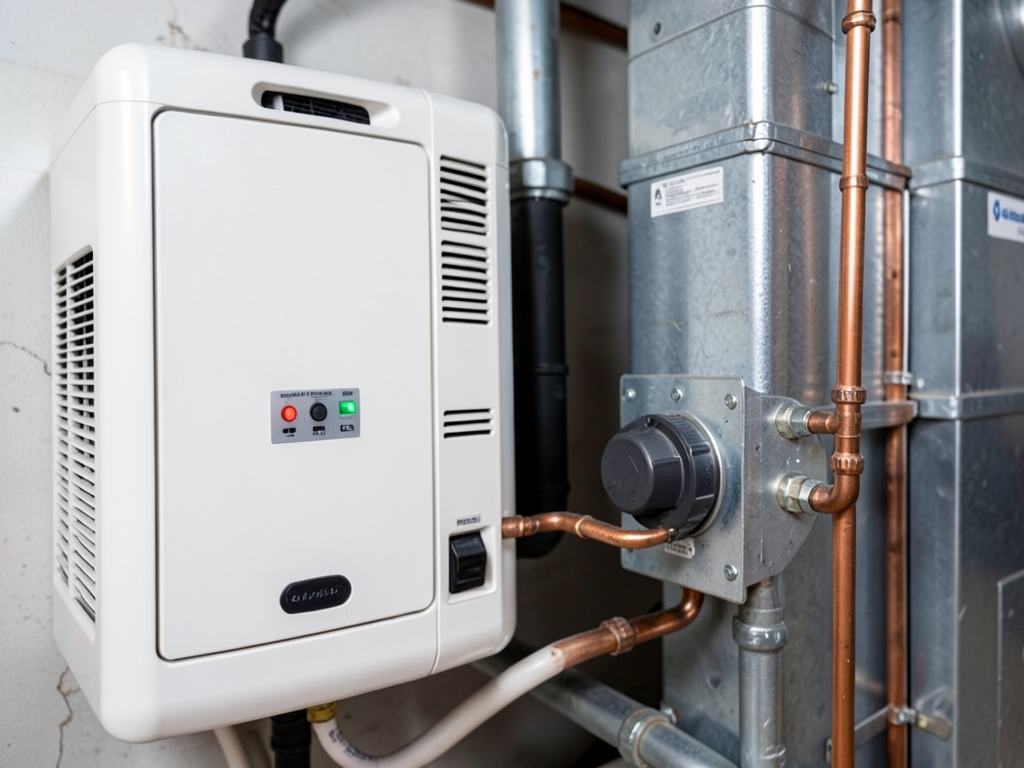
A whole-home dehumidifier connects to your existing ductwork and removes 70-100 pints of moisture daily. These systems work independently of your AC allowing you to dehumidify without overcooling.
For Westover Hills homes we recommend Santa Fe or Aprilaire units sized for your square footage. These systems cost $2,500-4,500 installed but eliminate sticky air completely. They’re especially effective for homes with open floor plans where humidity pockets form.
Variable Speed Compressors and ECM Motors
Variable speed technology runs your AC at lower speeds for longer periods. This maintains steady cooling while maximizing dehumidification. Instead of the old on/off cycling these systems run at 30-70% capacity continuously.
Modern variable speed units achieve 45-50% humidity reduction compared to 20-30% for single-stage systems. The upfront cost runs $6,000-12,000 but energy savings and comfort improvements pay for themselves in 3-5 years.
Proper System Sizing with Manual J Calculations
If your AC is oversized the only real fix is replacement with properly sized equipment. A Manual J calculation considers your home’s insulation, windows, orientation, and local climate to determine exact cooling and dehumidification needs.
Westover Hills homes typically need 400-600 square feet per ton of cooling capacity. Many existing units are 30-50% oversized based on these calculations.
Advanced Thermostat Settings and Zoning
Smart thermostats with humidity control can make a big difference. Models like the Ecobee or Honeywell T9 allow you to set specific humidity targets and adjust cooling cycles accordingly.
Zoning systems with multiple thermostats eliminate hot spots and humidity pockets. Each zone maintains its own temperature and humidity level improving overall comfort.
DIY Troubleshooting Tips Before Calling a Pro
Before investing in expensive equipment try these simple fixes that often solve humidity problems.
Check and Replace Your Air Filter
A clogged filter restricts airflow causing your system to freeze up and lose dehumidification ability. Replace your filter every 30-60 days during summer. In Westover Hills’ dusty conditions monthly replacement often works better.
When checking your filter hold it up to a light. If you can’t see light through it replace it immediately. This simple step fixes 30% of humidity complaints.
Adjust Your Thermostat Fan Setting
Switch your fan setting from On to Auto if it isn’t already. This allows the system to dehumidify properly between cooling cycles. The Auto setting can reduce indoor humidity by 5-10% alone.. Read more about Deciding Between One More Repair or a Full System Upgrade for Your Terrell Hills Property.
Also check your thermostat’s differential setting. Increasing the temperature swing from 1° to 2° forces longer cycles and better dehumidification.
Inspect Your Condensate Drain Line
A clogged condensate drain prevents moisture from leaving your home. Locate the PVC pipe near your indoor unit and check for water flow during operation. No water means a blockage.
Pour a cup of white vinegar down the drain line monthly to prevent algae buildup. This simple maintenance prevents 90% of drain line clogs that trap humidity in your home. Commercial Maintenance Agreements.
Seal Duct Leaks and Improve Insulation
Check accessible ductwork for disconnected joints or holes. Seal small leaks with mastic sealant not duct tape which fails quickly in Texas heat. Pay special attention to connections at vents and the air handler.. Read more about Detecting Freon Leaks in Your Monticello Park HVAC System Before the Compressor Fails.
Attic insulation prevents heat gain that makes your AC work harder. In Westover Hills’ hot attics adding R-30 to R-38 insulation can reduce cooling loads by 20%.
Emergency Humidity Control When You Need Immediate Relief
Sometimes you need fast relief before professional help arrives. Here are emergency measures that actually work. Emergency AC Repair in Alamo Heights for When Your Unit Dies at Midnight.
Portable Dehumidifier Deployment
A 50-pint portable dehumidifier can remove 3-5 gallons of moisture daily. Place it in your main living area and empty the tank frequently. These units cost $200-400 and provide immediate relief while you wait for service.
For best results run your AC and dehumidifier simultaneously. The AC handles temperature while the dehumidifier tackles moisture.
Strategic Ventilation Timing
Open windows during early morning hours when outdoor humidity drops below indoor levels. In Westover Hills this typically happens between 5-8 AM. Use fans to circulate fresh air then close everything up before humidity rises again.
Never open windows when outdoor humidity exceeds indoor levels. This makes the problem worse by adding more moisture to your home.
Moisture Absorbing Materials
Place moisture absorbers like DampRid in closets, bathrooms, and other problem areas. These calcium chloride crystals pull moisture from the air and can reduce humidity by 5-10% in small spaces.
For severe cases use multiple units throughout your home. Replace them every 30-45 days during peak summer months.
The Patriot HVAC Difference in Westover Hills
We understand Westover Hills’ unique humidity challenges because we work here every day. Our technicians know which AC models handle our specific climate best and which neighborhoods have the most humidity problems.
Our diagnostic process includes Manual J load calculations specific to Westover Hills’ elevation and proximity to the Medina River. We test for proper superheat and subcooling to ensure your system removes maximum moisture.
We offer same-day service for humidity emergencies and our flat-rate pricing means no surprises. Every installation includes a 1-year workmanship warranty and we stand behind our recommendations with a 100% satisfaction guarantee.
Frequently Asked Questions
Why does my house feel sticky even when the AC is running?
Your AC might be cooling but not dehumidifying properly. Common causes include oversized equipment, dirty coils, incorrect fan settings, or low refrigerant. In Westover Hills’ humid climate proper dehumidification requires longer run times than many systems provide.
How much does it cost to fix humidity problems?
Simple fixes like filter replacement or drain line cleaning cost $75-200. A whole-home dehumidifier installation runs $2,500-4,500. Variable speed system replacements cost $6,000-12,000 but provide the best long-term solution for persistent humidity issues.
Can I run a dehumidifier with my AC?
Yes and it’s often recommended. The AC handles temperature while the dehumidifier removes moisture. This combination works especially well in Westover Hills where outdoor humidity often exceeds what your AC can handle alone.
How do I know if my AC is oversized?
Signs include short cycling (10-15 minute run times), cold but clammy air, and humidity levels above 55% even when the house feels cool. A Manual J calculation by a professional can confirm if your system is properly sized.
What humidity level should I set my thermostat to?
Target 45-55% relative humidity for comfort. Many smart thermostats allow you to set specific humidity targets. In Westover Hills aim for the lower end of this range since outdoor humidity often pushes 70-80% during summer months.
[IMAGE_PLACEHOVER_1]
Don’t let sticky humid air ruin your comfort another day. The problem won’t fix itself and waiting only makes it worse. Whether you need a simple filter change or a complete system upgrade we have the expertise to solve your humidity problems for good.
Call (726) 259-0059 today to schedule your inspection. Our Westover Hills technicians are standing by to restore your home’s comfort. Pick up the phone now before the next heat wave hits and your humidity problems get even worse.
Remember: proper humidity control isn’t just about comfort. It prevents mold growth, protects your wood furniture, and can reduce your energy bills by making your AC more efficient. Let Patriot HVAC solve your sticky air problem today. For more information, visit ASHRAE filter efficiency standards.
You may also find this helpful. Fixing Hot Upstairs Bedrooms in Hidden Forest with a Multi-Zone HVAC Setup.