
Why Your Newer Home in Verano Still Has Uneven Temperatures Between Rooms
Moving into a brand-new home in Verano should mean perfect comfort from day one. Yet many homeowners find themselves dealing with frustrating hot spots and cold rooms that make certain areas nearly unusable during San Antonio’s brutal summer heat. The truth is that new construction HVAC systems often fail to deliver even cooling due to design oversights, builder-grade equipment limitations, and the unique challenges of our South Texas climate.. Read more about The Connection Between Your San Antonio Roof Health and Your AC Performance.
Verano’s newer developments sit in areas where afternoon sun exposure and humidity create cooling loads that standard builder designs simply cannot handle. Before you blame your builder’s warranty or assume something is broken, understanding the real causes behind these temperature differences can help you find the right solution for lasting comfort.
Common Causes of Uneven Cooling in New Builds
New construction homes in Verano face several systemic issues that create temperature imbalances. These problems stem from rushed construction schedules, cost-cutting measures, and the specific challenges of designing HVAC systems for large Texas floor plans.. Read more about Why Your Deepwell Home HVAC System Might Be Oversized for Your Living Space.
Manual J Load Calculation Errors represent the most common culprit. Builders often use generic software presets rather than custom calculations for each home’s unique orientation, window placement, and insulation levels. A home facing west with large picture windows will have dramatically different cooling needs than an identical floor plan facing north. When calculations are off by even 15%, certain rooms will always run hot while others overcool.
Manual D Duct Design Failures compound these problems. Proper duct design requires precise calculations for every room’s airflow needs, but many new builds use standardized duct layouts that ignore room-specific requirements. Bedrooms at the end of long duct runs often receive inadequate airflow, while living areas near the air handler get excessive cooling. This creates the classic pattern of freezing living rooms and sweltering bedrooms.
Builder-Grade Equipment Limitations also play a major role. Many new homes come with minimum-efficiency units that struggle to handle Verano’s 100-degree summer days combined with high humidity. These systems lack the capacity and advanced features needed for consistent whole-home comfort, especially in two-story homes where heat rises naturally.
The San Antonio Factor: Humidity and Heat Load
San Antonio’s climate creates unique challenges that many out-of-state HVAC designers fail to account for. Our combination of extreme heat and high humidity means that cooling systems must handle both temperature and moisture removal simultaneously.
Humidity Impact on Perceived Temperature explains why a room at 75 degrees might still feel uncomfortable. When indoor humidity exceeds 55%, your body cannot cool itself effectively through sweat evaporation. This makes 75-degree air feel more like 80 degrees, creating the sensation of uneven cooling even when thermostats read the same temperature throughout the house. Uneven Heating or Cooling.
Heat Island Effects in Verano occur because newer developments often lack mature tree cover and have extensive paved areas that absorb and radiate heat. Homes in these areas can experience ambient temperatures 5-10 degrees higher than older, tree-lined neighborhoods. This additional heat load overwhelms standard HVAC systems designed for average conditions rather than extreme local microclimates.
Attic Heat Gain represents another major factor. Verano’s newer homes often have large, open attics with minimal insulation or radiant barriers. During summer months, attic temperatures can exceed 150 degrees, radiating heat through ceilings and ductwork. Even with proper insulation, this heat transfer can make upper-floor rooms 8-12 degrees warmer than downstairs areas.. Read more about Solar Attic Fans vs. Ridge Vents for Lowering AC Loads in Your San Antonio Home.
Professional Solutions for Consistent Comfort
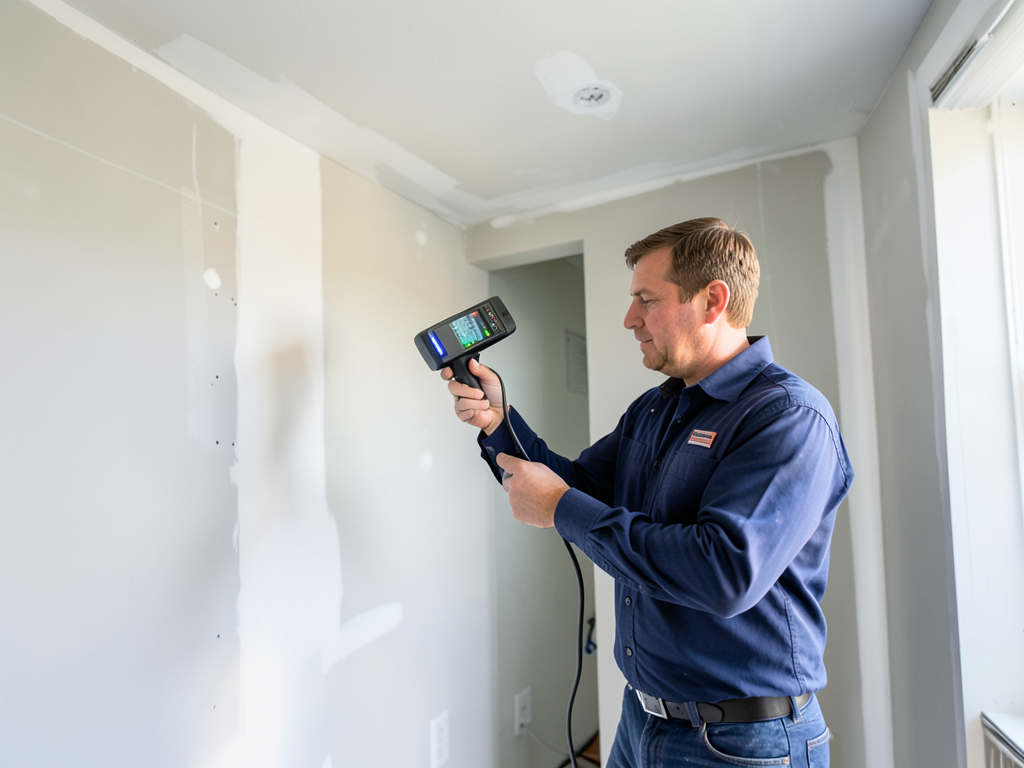
Addressing uneven cooling requires a systematic approach that goes beyond simple filter changes or thermostat adjustments. Professional HVAC technicians use specialized diagnostic tools to identify the root causes of temperature imbalances.
Air Balancing and Damper Adjustment involves measuring airflow at each register and adjusting duct dampers to direct more air to under-served areas. This process requires specialized equipment to measure cubic feet per minute and static pressure throughout the system. Many homeowners are surprised to learn that their bedroom registers might be delivering only 60% of the required airflow due to simple damper settings.. Read more about Why Garden Ridge Homeowners Are Upgrading to Variable Speed AC Systems.
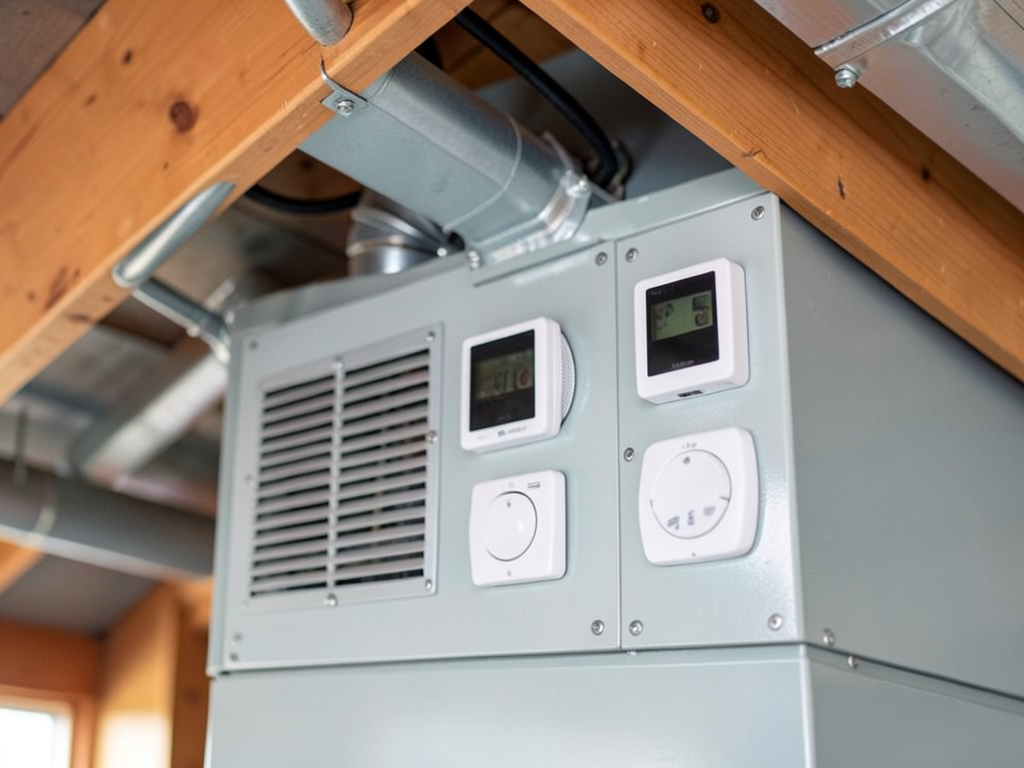
Residential Zoning Systems offer the most comprehensive solution for multi-story homes. These systems use multiple thermostats and motorized dampers to create independent temperature zones. For example, you can keep upstairs bedrooms cooler at night while maintaining lower energy usage downstairs. Modern zoning systems integrate with smart thermostats for automated adjustments based on occupancy patterns.
Return Air Vent Modifications often solve problems that seem related to supply airflow. Many new homes have inadequate return air pathways, especially in bedrooms with closed doors. Adding or enlarging return vents allows air to circulate properly, preventing pressure imbalances that cause hot spots. This modification costs far less than replacing the entire HVAC system but can dramatically improve comfort.
Smart Thermostat Integration provides both monitoring and control capabilities that help identify problem areas. Advanced models can track temperature variations room by room and suggest optimization strategies. Some even integrate with zoning systems to automatically adjust airflow based on learned patterns and preferences.
Understanding Your Rights as a New Homeowner
Texas law provides specific protections for new home buyers through the 1-2-10 warranty structure. The first year covers most HVAC defects, including improper installation and equipment failures. However, many homeowners don’t realize that comfort issues may not qualify as warranty defects if the system meets minimum code requirements.
Documenting Issues Properly becomes crucial when dealing with builders. Keep detailed records of temperature readings in different rooms throughout the day, especially during extreme weather conditions. Use a simple indoor thermometer to track variations and note when problems occur. This documentation helps establish whether your system performs below reasonable expectations for new construction.
Builder vs. Independent Contractor Responsibilities can be confusing. Builders typically warranty the installation, while equipment manufacturers cover component failures. If your system meets basic code requirements but fails to deliver comfort, you may need to hire an independent HVAC contractor to assess whether upgrades or modifications would solve your problems.
Energy Efficiency Standards under Texas building codes require minimum SEER2 ratings for new installations. However, minimum efficiency often means minimum comfort in our extreme climate. Many homeowners find that upgrading to higher-efficiency equipment with better humidity control provides the comfort they expected from new construction.
Diagnostic Testing We Perform
Professional HVAC technicians use several diagnostic tests to identify the specific causes of uneven cooling in new homes. These tests go far beyond basic thermostat checks and provide concrete data about system performance.
Blower Door Testing measures how airtight your home’s envelope is. New construction should be very tight, but construction gaps or poor sealing can allow hot, humid air to infiltrate. This test identifies leaks around windows, doors, and utility penetrations that contribute to temperature imbalances.
Duct Blaster Testing evaluates duct system integrity by pressurizing the entire duct network and measuring air leakage. Even small leaks in attic ductwork can significantly reduce cooling efficiency and create temperature variations between rooms. This test often reveals problems that are invisible to homeowners but dramatically impact comfort.
Static Pressure Measurement assesses whether your duct system can handle the airflow your equipment produces. High static pressure indicates restrictions that force air to take easier paths, leaving some rooms under-served. This measurement helps determine whether simple modifications or complete duct replacement would solve your comfort issues.
Cost Factors and Investment Considerations
Addressing uneven cooling requires understanding the various solution options and their relative costs. Simple modifications often provide significant improvements at reasonable prices, while comprehensive upgrades require larger investments but deliver lasting results.
Air Balancing Services typically cost between $300-600 and can resolve many comfort issues without major modifications. This service involves adjusting dampers, cleaning registers, and optimizing airflow patterns throughout your home.
Zoning System Installation ranges from $2,500-5,000 depending on your home’s size and existing ductwork configuration. While this represents a significant investment, it often costs less than replacing your entire HVAC system while providing superior comfort control.
Equipment Upgrades become necessary when existing systems cannot meet your home’s cooling demands. High-efficiency variable-speed units with advanced humidity control typically cost 30-50% more than builder-grade equipment but provide dramatically better comfort and energy savings.
Maintenance Strategies for New Homes
Even properly designed HVAC systems require ongoing maintenance to maintain optimal performance. New homeowners should establish maintenance routines that prevent common problems from developing. Commercial Maintenance Agreements.
Monthly Filter Changes during peak cooling season help maintain proper airflow. New construction homes often have tighter envelopes that trap more dust, making more frequent filter changes necessary than in older homes.
Seasonal Professional Inspections identify developing issues before they become major problems. These inspections should include checking refrigerant levels, cleaning coils, and verifying that all system components operate within manufacturer specifications.. Read more about The Importance of a Pre Purchase HVAC Inspection Before Buying Your Next San Antonio Home.
Smart Home Integration allows you to monitor system performance and identify patterns in temperature variations. Many modern thermostats can alert you to developing issues and suggest optimization strategies based on your usage patterns.
Why Verano Homes Face Unique Challenges
Verano’s specific location and development patterns create cooling challenges that differ from other San Antonio neighborhoods. Understanding these local factors helps explain why your new home might struggle with temperature imbalances.
Topography and Sun Exposure in Verano means many homes face direct afternoon sun during the hottest part of the day. This orientation creates cooling loads 20-30% higher than homes with north-facing exposures, overwhelming standard HVAC designs.
Soil Composition and Foundation Shifting can affect refrigerant line integrity over time. Verano’s soil conditions may cause minor foundation movement that creates small leaks in refrigerant lines, reducing system efficiency and creating uneven cooling patterns.
Local Building Practices in rapidly developing areas like Verano sometimes prioritize speed over precision. HVAC installations may be completed quickly to meet construction deadlines, potentially overlooking important details that affect long-term performance.
Frequently Asked Questions
Why do some rooms in my new home stay hot even when the AC runs constantly?
This typically indicates inadequate airflow to those rooms due to poor duct design, closed dampers, or insufficient return air pathways. Professional air balancing can often resolve these issues without major modifications.
Should I contact my builder or an independent HVAC contractor first?
Start with an independent assessment to understand whether your issues stem from design flaws or installation problems. This information helps you approach your builder with specific, documented concerns rather than general complaints.
How much should I expect to spend fixing uneven cooling in a new home?
Simple air balancing typically costs $300-600, while zoning systems range from $2,500-5,000. Complete system replacements can exceed $10,000 but are rarely necessary for new construction issues.
Will adding more insulation help with temperature imbalances?
Additional insulation helps with overall energy efficiency but rarely solves uneven cooling caused by airflow problems. Focus on duct design and air balancing first, then consider insulation upgrades if needed.
How long should I wait before addressing comfort issues in a new home?
Document problems immediately but allow the first few months for the home to settle and humidity levels to stabilize. Most HVAC issues become apparent within the first year and are covered under builder warranties.
Take Control of Your Home’s Comfort Today
Don’t let uneven temperatures ruin your enjoyment of your new Verano home. Whether you’re dealing with hot upstairs bedrooms, cold downstairs living areas, or humidity problems that make every room feel uncomfortable, professional HVAC assessment can identify the specific causes and provide targeted solutions.
Call (726) 259-0059 today to schedule your new home comfort audit and airflow analysis. Our experienced technicians understand the unique challenges Verano homeowners face and can recommend solutions that deliver the consistent comfort you expected from new construction. Stop suffering through another San Antonio summer with rooms you can barely use and take the first step toward whole-home comfort.
Pick up the phone and call (726) 259-0059 before the next heat wave hits. Your new home deserves to deliver the comfort and efficiency you paid for, and we can help make that happen.
You may also find this helpful. Keeping Your Highland Park Workshop or Garage Cool During a Triple Digit Summer.